
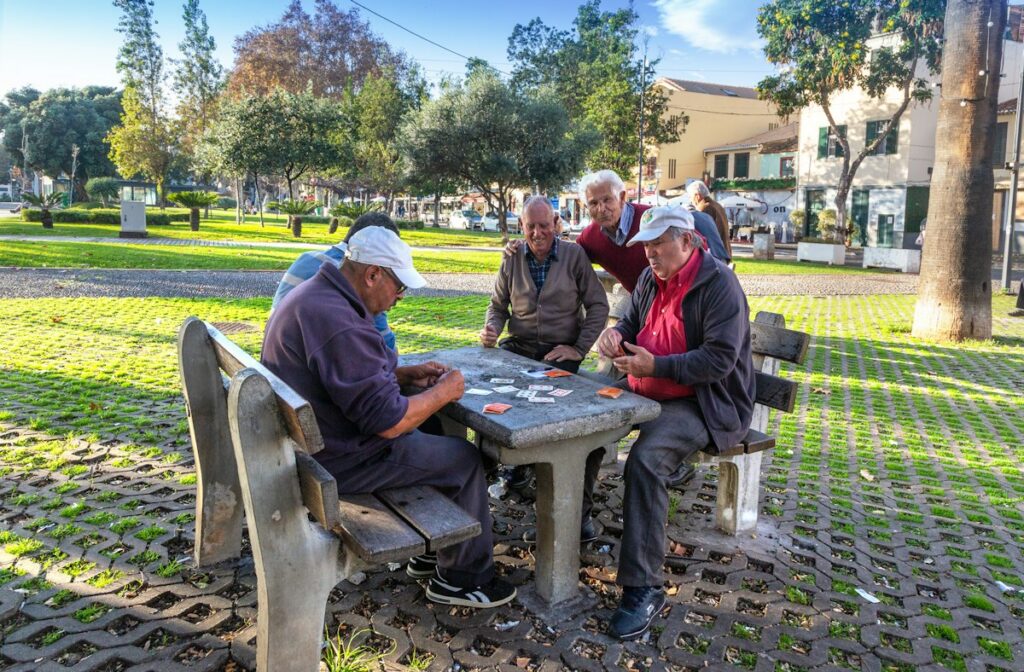
A growing group of Baltimore residents is proving the idea can also work from the bottom up, organized entirely by neighbors themselves.
A Club That Shares Income
The Baltimore Community Guaranteed Income Club began in 2025, when founder Alex Zhu saw friends and neighbors lose their jobs to federal workforce and funding cuts. He had long been interested in universal basic income, and inspired by income-sharing platforms like Comingle, he decided to try something local and tangible.
The model is simple and voluntary. The club’s more than 50 members across Baltimore pledge a maximum of 7 percent of their take-home pay into a shared pool, which is redistributed to members who need it. Some give, others receive, and everyone is part of the same community. The money helps cover rent, utilities and groceries: the basics that make the difference between coping and crisis.
Neighbors First
What makes the club remarkable is what it is not. It is not a government program, not a charity with eligibility rules, and not a loan. It is a mutual aid network: people with stable incomes quietly supporting neighbors facing job loss and career uncertainty, on the principle that everyone deserves an income floor, not just those who fit a bureaucratic category.
The idea is catching attention. Reports on the club describe it as a prototype for how everyday people can build their own social safety net, and it has already redistributed tens of thousands of dollars among members. Similar community income-sharing experiments, such as Baltimore’s Cookie Jar Collective, show this is becoming a small but real movement.
Small Scale, Big Lesson
Basic income pilots around the world demonstrate that unconditional cash reduces poverty and improves health, education and economic activity. What Baltimore adds is a different lesson entirely: you do not have to wait for a national program to act on the idea. A city block, a church group or a group of friends can start building the security net themselves, today.
For anyone wondering whether basic income is only a matter for parliaments and pilot programs, Baltimore’s club is a hopeful answer: belonging to a community can itself become a form of income security.
Source: The Baltimore Banner Source: Marketplace Source: Technical.ly Source: Unsplash image by Getty Images (Unsplash License)