Twenty people from around the world have joined the consolation prize round on UBI4You.com. For three months, each of them receives 900 GoodDollars per day. It’s a modest amount, but for many participants it still makes a real difference in covering daily needs or taking small steps toward a goal.
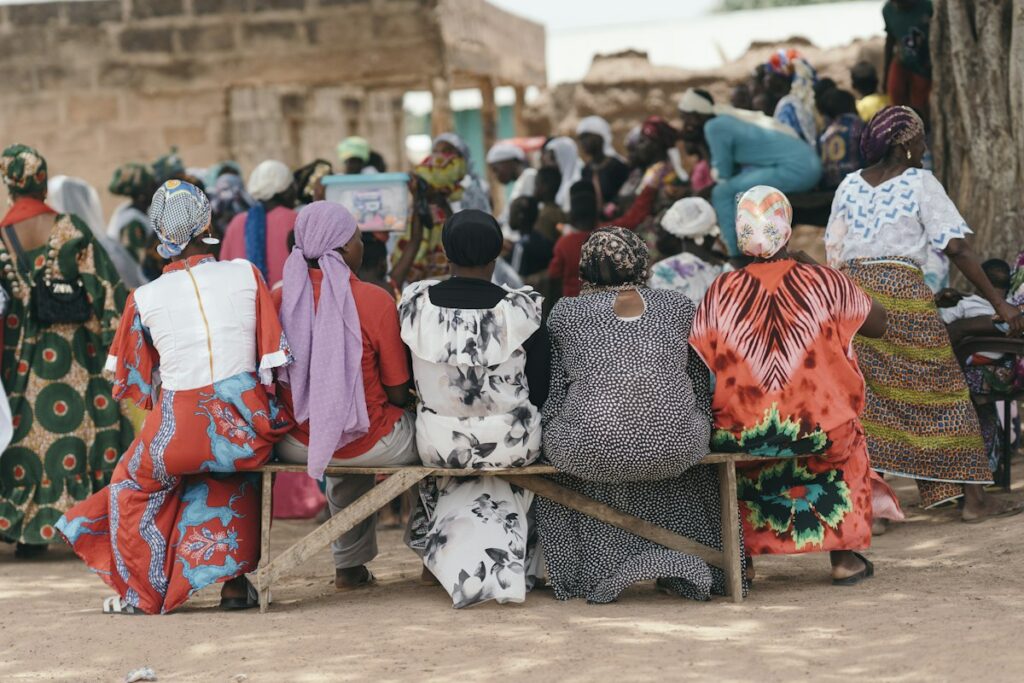
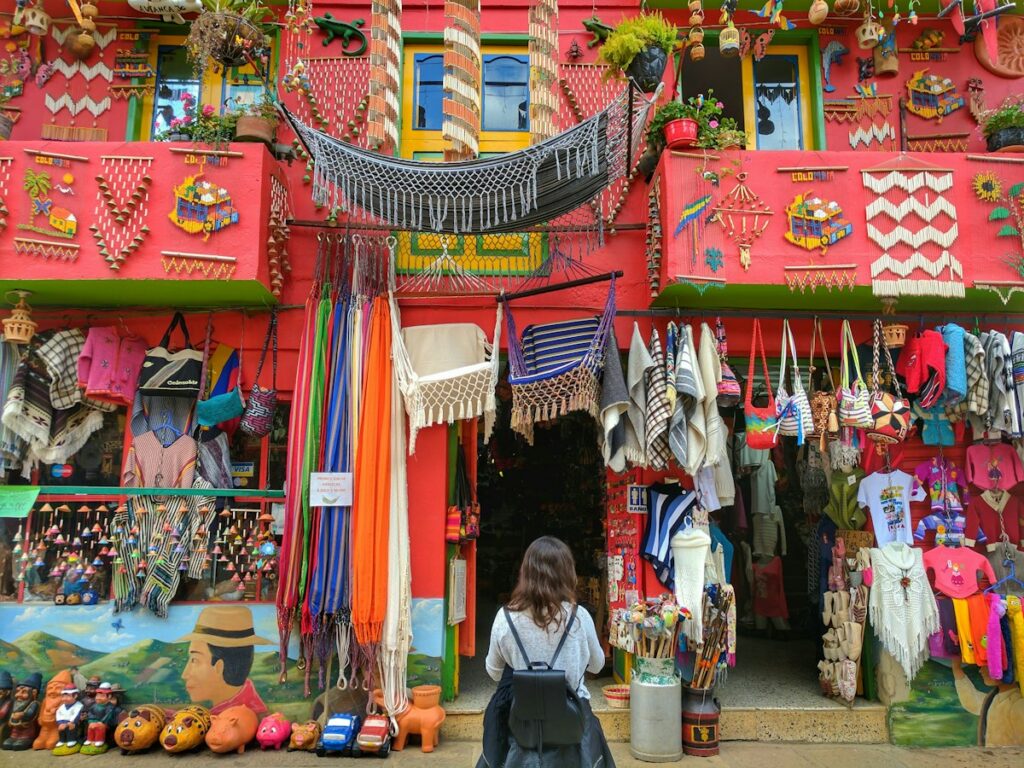
This group reflects the global reach of GoodDollar: participants are joining from Kenya, Myanmar, Malaysia, Indonesia, Thailand, the Philippines, Peru, Colombia, and other countries where GoodDollar already has a strong presence. docs.gooddollar
We asked them about their family situation and what they plan to do with the GoodDollars. Their answers show a mix of everyday struggles, careful planning, and quiet hope.
Making ends meet while looking for work
Several participants described families where everyone is trying to contribute. One recent graduate, who hasn’t yet found a well‑paying job, now helps their mother trade jewelry and sell online: “It’s not much I make but at least it’s something to get a hold on.” They plan to invest the GoodDollars in “a lucrative business… something that can give me better profit in returns.”
Another participant, in their 40s and divorced, is between jobs after years in the government sector. They find it hard to compete with younger graduates and admit they’re still figuring out how to use GoodDollars where crypto projects aren’t widely accepted. For now, they’re focusing on liquidity pools to support the ecosystem.
Students, caregivers, and freelancers
For students, the tokens help with basic costs. A university student from a family of five plans to use them for “domestic needs.” An orphan studying software engineering at FUTA will spend on airtime and data to keep working. A high school student living alone wants to “improve my business,” and a freelance software developer with an English degree plans to hold the tokens, as they have done for a long time.
Caregivers feel the pressure of low wages. One wrote: “My salary is very low, and there are times when it is difficult to cover all our needs. It gives me additional support for daily expenses and reminds me that there are communities that care about people like us.”
A virtual assistant will use the funds for groceries. A parent working from home wants to pay for their child’s graphic design training and buy an iPad. A single father with a 15‑year‑old daughter—no job, no income except crypto airdrops and trading—uses his GoodDollars to swap for USDT, trades carefully, and sometimes tries to multiply the amount, knowing the risks.
Saving, holding, and small investments
Not everyone is ready to spend. Several participants said they will save, hold, or stake their GoodDollars, hoping for future value or to support the ecosystem. One, who has faced skepticism about crypto in their country, plans to provide liquidity so “this project will flourish for other GoodDollar community.”
Others are thinking about small but meaningful investments. A participant with a diploma in hardware and software, good with spreadsheets, wants to invest in a poultry farm. The youngest in a family where everyone is unemployed hopes to save for filmmaking equipment. Someone with a technical degree and their own business plans to stake the tokens.
Why this round matters
Nine hundred GoodDollars a day is not a large sum, but for these twenty people it adds up over three months. For some it means groceries, data, or school supplies. For others it’s a chance to save, experiment with a small business idea, or simply feel a bit more secure while looking for work.
This round also has a special purpose: it is being used to test GoodCollective.xyz. By running the distribution through this new platform, the UBI4You team can see how well it handles real users, real claims, and real‑world conditions across different countries and connectivity levels. forum.celo
As the GoodDollar ecosystem continues to operate as one of the largest on‑chain UBI projects, rounds like this show how even small, regular amounts can support real people in everyday situations—and help test the tools that may power future distributions.
Updates from these participants will appear on UBI4You.com as their three months unfold. Their progress—however modest—will be the clearest sign of what this experiment can do.